August 1986 - Retro Design
As a designer with years of experience in embroidery and digital product creation, I always approach new designs with a critical eye. August 1986 - Retro Design is no exception. This machine embroidery design has a nostalgic vibe that feels instantly familiar, yet it’s not overly generic. It’s the kind of piece that could easily become a staple in a craft business or a personalized gift for someone who appreciates vintage aesthetics.
The First Impression
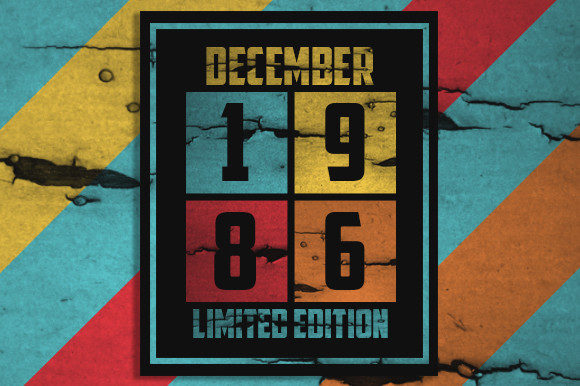
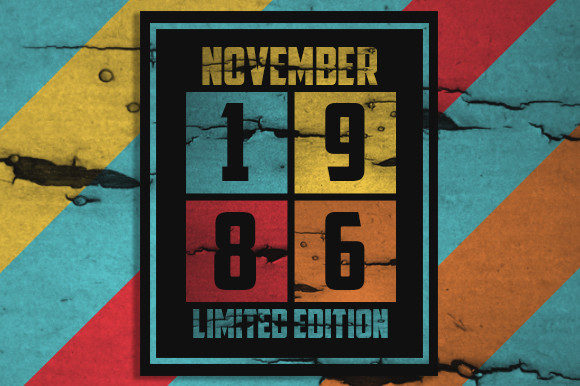
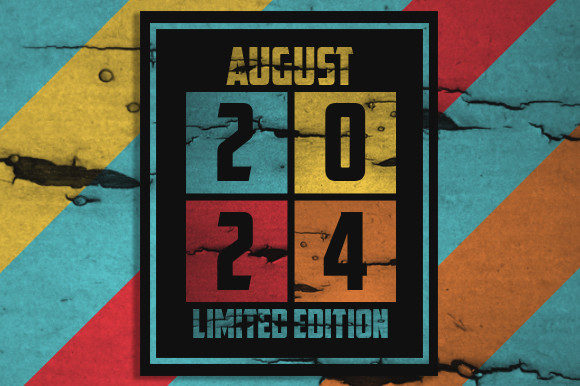
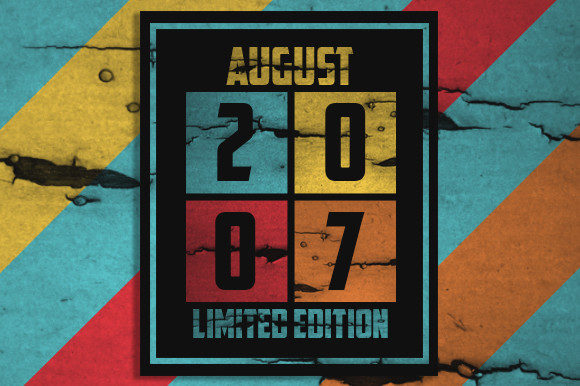
From the moment I opened the .zip file, I was struck by the simplicity and charm of August 1986 - Retro Design. The layout is clean, with a strong central motif that suggests a retro logo or emblem. The shape is symmetrical but not rigid, giving it a balanced feel that works well on a variety of surfaces. The design doesn’t overwhelm with detail, which makes it versatile for different applications.
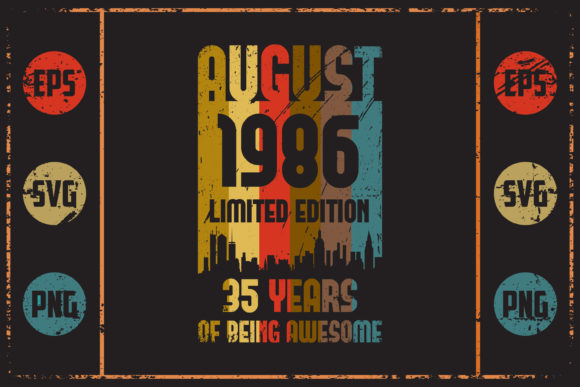
The visual personality of August 1986 - Retro Design leans into the 80s aesthetic—think bold lines, subtle gradients, and a sense of nostalgia that feels authentic. It’s the kind of design that could be used as an applique design or a satin stitch-heavy piece, depending on the desired effect.
Real-Life Use Cases
One of the first projects I imagined using this design was a custom embroidered tote bag. The size and layout make it ideal for a large front panel, where it can stand out without being too busy. I also see it working well on sweatshirts, especially for casual, laid-back branding. For baby items, like onesies or burp cloths, the design adds a touch of character without being too flashy.
August 1986 - Retro Design also fits nicely into holiday embroidery projects. Whether it's a Christmas ornament, a festive pillow cover, or a personalized gift for a special occasion, the design has a timeless quality that transcends seasons. It’s the kind of piece that could be used in a small shop product line or as part of an Etsy seller’s collection.
Performance in Embroidery Projects
In real-life embroidery situations, August 1986 - Retro Design holds up well. The stitch density isn’t too heavy, which means it should work on most fabrics without causing puckering or distortion. However, I would advise checking the design on scrap fabric before committing to a final project, especially if you're working with delicate or stretchy materials.
For custom apparel, like t-shirts or caps, the design is best suited for flat areas where the hoop size allows for full visibility. If you’re planning to use it on curved surfaces, like a cap or a hat, you may need to adjust the placement or consider a smaller version of the design to ensure proper stitching.
Where to Be Cautious
While August 1986 - Retro Design is generally user-friendly, there are some scenarios where caution is advised. On small hoop sizes, the design might appear too large or distorted, so scaling down could be necessary. For textured fabrics or thin materials, the stitch density may need adjustment to avoid showing through or damaging the fabric.
When working with dark fabrics, the contrast between the thread colors and the background becomes crucial. I recommend testing the design in black and white mockups to ensure it looks good on both light and dark backgrounds. For layered garments or products that will be washed frequently, a proper stabilizer is essential to maintain the integrity of the stitches.
Impact on Visual Appeal and Customer Perception
August 1986 - Retro Design has a strong visual appeal that can elevate the value of any handmade product. Its retro style adds a unique touch that customers often find appealing, especially when used in personalized gifts or custom apparel. The design’s clarity and balance contribute to a professional finish that can enhance brand consistency across different products.
For small business owners and Etsy sellers, this design offers a reliable option for creating high-quality, recognizable products. It’s also great for printable mockups and digital product previews, helping to showcase the design in a realistic way before production.
Practical Designer Notes
Before using August 1986 - Retro Design in a commercial project, I recommend testing it on various fabrics and thread colors to ensure it meets your standards. Pay attention to the stitch density and confirm that the hoop size is appropriate for your machine. Small details, like corners or lettering, should be inspected closely to avoid any issues during the embroidery process.
If you’re planning to sell finished products or digital files, make sure to review the licensing terms. While the design is likely suitable for personal and commercial use, it’s always best to double-check before proceeding. For craft businesses and handmade shops, this design can be a valuable addition to your collection of embroidery files.