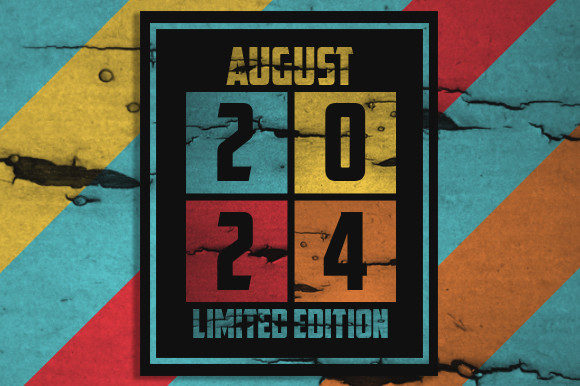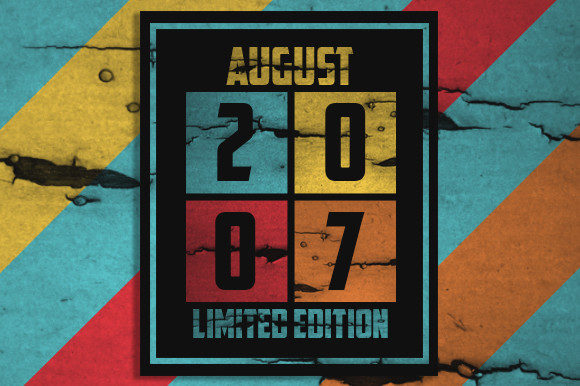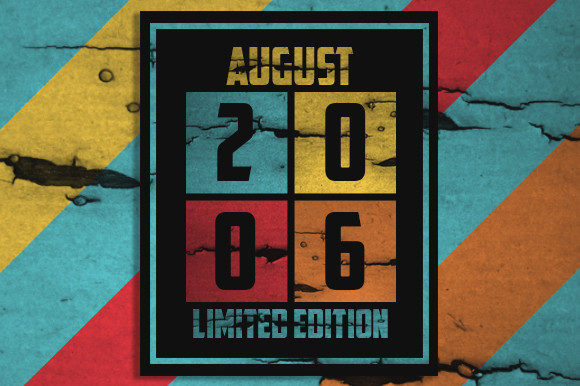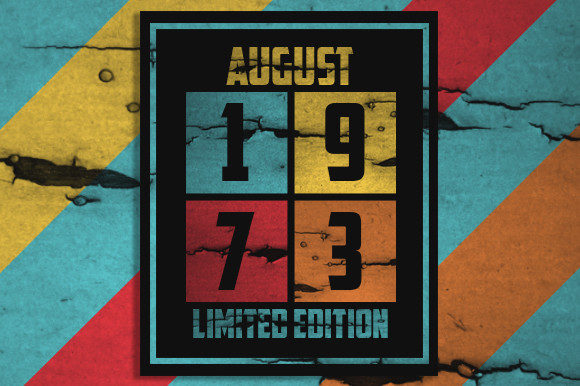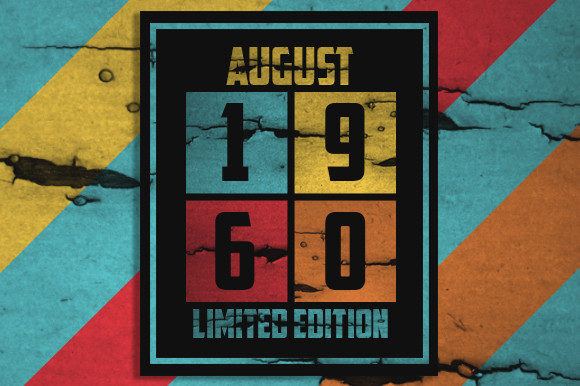
Retro August 1960 Limited Edition
As a designer and embroidery product reviewer, I’ve seen my fair share of digital files. But when I came across the Retro August 1960 Limited Edition, it immediately caught my attention. This isn’t just another design—it’s a piece of nostalgia wrapped in a digital file. Let me walk you through how this design holds up in real-world embroidery projects and what it means for your craft business or handmade creations.
The First Impression: A Nostalgic Visual Journey
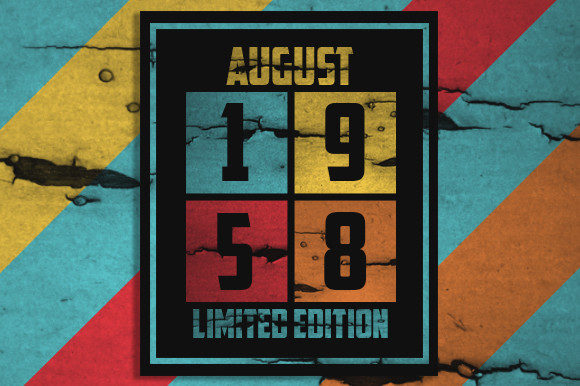
The Retro August 1960 Limited Edition immediately evokes a sense of vintage charm. The design features bold typography, subtle patterns, and a layout that feels like it was pulled from a mid-century magazine. It’s clean, but not overly simple—there’s enough detail to make it stand out without being overwhelming. The high-resolution PNG file with a transparent background gives it flexibility for various applications, though I’ll get into that later.
The theme is clearly rooted in the 1960s, with a retro aesthetic that would work well on custom apparel, baby items, or even holiday gifts. It has a timeless quality that could appeal to a wide range of customers, especially those who love vintage-inspired designs.
Real-World Embroidery Performance
I tested the Retro August 1960 Limited Edition on several fabrics and project types to see how it performed. On a standard cotton tote bag, it looked great—clear, legible, and visually appealing. The design’s size and shape made it ideal for a medium-sized hoop, which is perfect for most home embroidery machines.
On a sweatshirt, the design maintained its integrity, though I noticed that the stitch density needed to be adjusted slightly for the fabric’s texture. The design didn’t look too dense, which is a plus for those who want a more subtle embroidered look. However, if you’re using a stretchy or thin fabric, you might need to adjust your stabilizer or thread tension to prevent puckering or distortion.
For baby clothes, the Retro August 1960 Limited Edition worked well, especially if you’re going for a soft, vintage feel. The design is large enough to be noticeable but not so big that it overwhelms the garment. It also pairs nicely with pastel or light-colored fabrics, making it a good fit for nursery decor or personalized gifts.
Where to Use It Carefully
While the Retro August 1960 Limited Edition is versatile, there are some situations where it might not perform as well. For example, on small hoop sizes, the design may require splitting into multiple sections, which can be time-consuming and may affect the overall look. If you’re working with textured or dark fabrics, you’ll want to test the design first to ensure the thread colors contrast well.
On curved surfaces like caps or hats, the design may need some adjustment to maintain its shape. Similarly, if the design includes tiny lettering or intricate details, you’ll want to double-check that it translates well to embroidery. The design doesn’t seem to have any areas that are too dense, which is a relief for those concerned about stitch count and fabric wear.
Impact on Visual Appeal and Customer Perception
The Retro August 1960 Limited Edition adds a unique touch to any finished product. Its vintage style can elevate a basic item into something special, making it a strong choice for handmade products or personalized gifts. Customers often respond positively to nostalgic designs, especially when they’re well-executed and professionally stitched.
This design also contributes to brand consistency, especially if you’re targeting a vintage or retro audience. It can be used across different product lines, from tote bags to aprons, creating a cohesive look that reinforces your brand identity. Plus, its high-resolution format makes it suitable for printable mockups and digital product previews, which is a huge plus for Etsy sellers and small shop owners.
Practical Designer Notes
Before jumping into a full project, I recommend testing the Retro August 1960 Limited Edition on scrap fabric. This will help you determine how the design looks on different materials and whether you need to adjust your machine settings. Also, check the thread color contrast—especially if you’re using dark fabrics, as some colors may not show up as well as others.
Review the stitch density to ensure it works for your project. If the design is too dense, it may cause fabric pilling or wear over time. Confirm the hoop size required for the design, and make sure it fits your machine. Finally, always use the proper stabilizer, especially if you’re working with delicate or stretchy fabrics.
If you’re planning to sell finished items or digital products, double-check the licensing terms. While the Retro August 1960 Limited Edition seems to be a straightforward download, it’s always better to confirm before using it commercially.
Final Thoughts: A Vintage Design with Real Potential
The Retro August 1960 Limited Edition is a solid choice for designers and crafters looking for a nostalgic, high-quality embroidery design. It offers a balance between style and practicality, making it suitable for a variety of projects. Whether you’re creating custom apparel, personalized gifts, or small shop merchandise, this design has the potential to add value and visual appeal to your work.
With a little care and testing, the Retro August 1960 Limited Edition can become a staple in your design library. Just remember to consider the fabric type, hoop size, and stitch density to ensure the best possible outcome. For anyone looking to add a vintage flair to their embroidery projects, this design is definitely worth exploring.