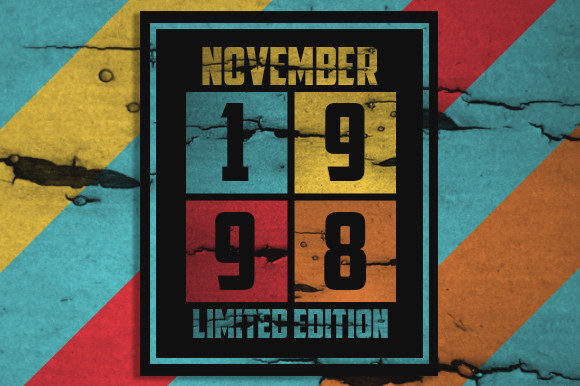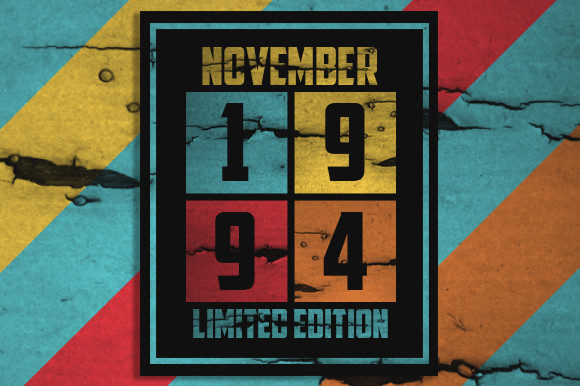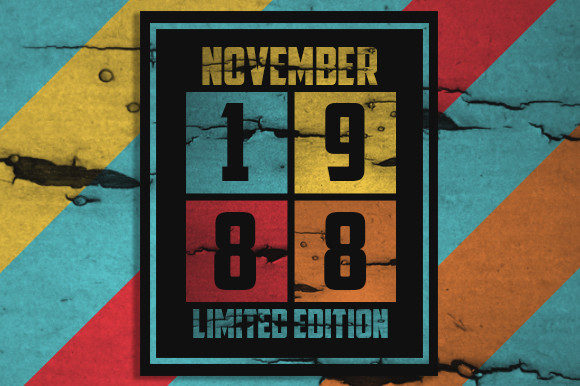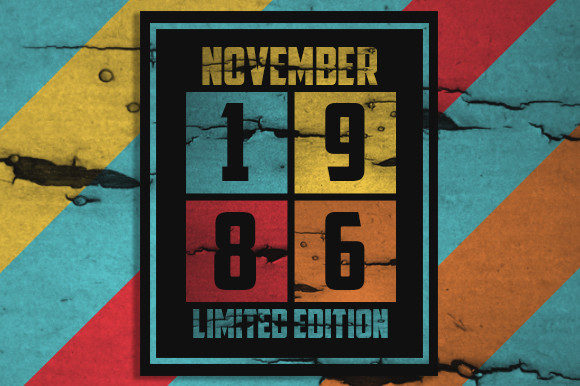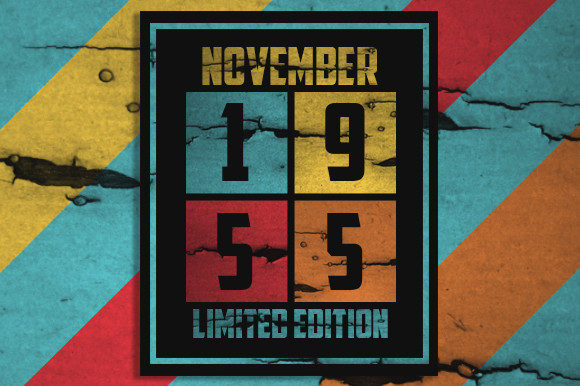
Retro November 1955 Limited Edition
As a designer with years of experience in embroidery and digital graphics, I always approach new designs with a critical eye. The Retro November 1955 Limited Edition is no exception. This design feels like a throwback to a simpler time, with its vintage aesthetic and nostalgic charm. It’s the kind of piece that could easily become a standout in a handmade shop or a custom apparel project.
First Impressions: A Nostalgic Visual Statement
The Retro November 1955 Limited Edition immediately evokes a sense of history. The layout is clean, with a strong central motif that feels both timeless and modern. The details are subtle but effective, making it ideal for projects that need a touch of character without overwhelming the overall design. The use of negative space gives it a balanced look, which is essential for embroidery where too much detail can complicate stitching.
This design would fit naturally into a range of projects—think vintage-style tote bags, retro-themed sweatshirts, or even baby onesies with a classic twist. Its visual personality makes it versatile enough for both personal and commercial use, but it also has a distinct identity that sets it apart from generic patterns.
Real-World Embroidery Performance
When considering how Retro November 1955 Limited Edition performs in real-life embroidery situations, several factors come into play. The design’s structure makes it suitable for medium-sized hoops, which is great for most standard embroidery machines. However, if you’re working on a smaller hoop, you might find some areas of the design too dense or detailed to stitch cleanly.
For custom apparel like t-shirts or sweatshirts, this design works well, especially when paired with the right thread colors. The high-resolution PNG file ensures clarity, which is important for maintaining the integrity of the design during stitching. But keep in mind that the design may not be ideal for textured or stretchy fabrics, as the stitches could pull or distort the fabric.
On thin or dark fabrics, the design might require additional stabilizer to prevent puckering or distortion. For baby items or delicate garments, extra care should be taken to ensure the stitches are secure and won’t irritate sensitive skin. When used on curved surfaces like caps or hats, the design’s layout should be checked for any potential stretching or misalignment.
Where to Use It Carefully
While the Retro November 1955 Limited Edition is visually appealing, there are certain scenarios where it might not perform as well. If you're planning to use it on small hoop sizes, you may need to adjust the design or simplify parts of it. Similarly, if you're working with thin or stretchy fabrics, the design’s density could cause issues during stitching.
For products that require frequent washing, such as towels or aprons, it’s important to test the design on a sample first. The stitch density and thread color contrast can affect how the design holds up over time. If the design includes tiny lettering or intricate details, these elements might not translate well on certain fabrics or in specific applications.
When using this design for layered garments or curved surfaces, pay close attention to how the stitches align. The design’s complexity could lead to challenges in maintaining consistent tension, especially on non-flat surfaces.
Impact on Visual Appeal and Customer Perception
The Retro November 1955 Limited Edition adds a unique visual element to any project. Its vintage feel can elevate the perceived value of handmade products, making it a great choice for Etsy sellers or boutique brands looking to stand out. Customers often respond positively to designs that evoke nostalgia, which can enhance the giftability and appeal of the finished product.
From a branding perspective, this design can help reinforce a cohesive aesthetic, especially if your business has a retro or vintage theme. It also supports the idea of personalized gifts, which are increasingly popular among customers seeking meaningful, one-of-a-kind items.
For commercial embroidery projects, the design’s clarity and detail make it a solid choice, provided the user is mindful of the technical requirements. It’s important to ensure that the design is compatible with your embroidery machine and that all necessary files are properly prepared before starting a project.
Practical Designer Notes
Before committing to a full project, I always recommend testing the Retro November 1955 Limited Edition on scrap fabric. This allows you to see how the design looks in real life and identify any potential issues with stitch density or thread color contrast.
Check the design against different fabric types, including light and dark backgrounds, to ensure it maintains its visual impact. Using proper stabilizer is crucial, especially for delicate or stretchy materials. Also, review the design’s dimensions to confirm it fits within your hoop size and machine capabilities.
If you’re planning to sell finished products or digital files, make sure to verify the licensing terms. While the product description mentions a digital download, specifics about commercial use aren’t clearly outlined, so it’s best to double-check before proceeding.
Finally, consider how the design will work in printable mockups or digital product previews. High-resolution files are essential for maintaining quality, and the Retro November 1955 Limited Edition seems to meet those standards.