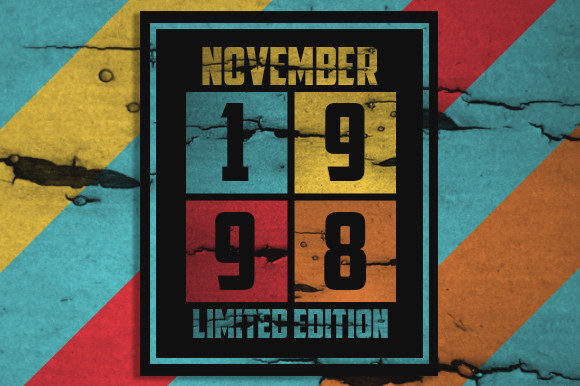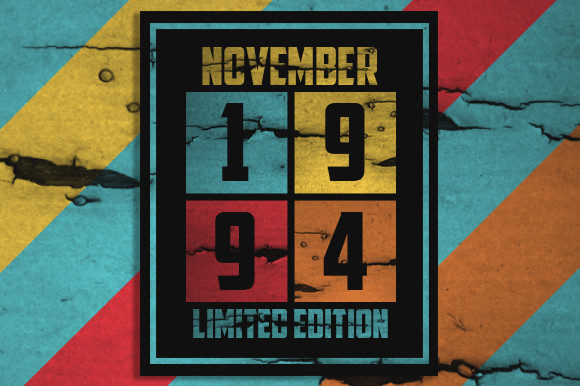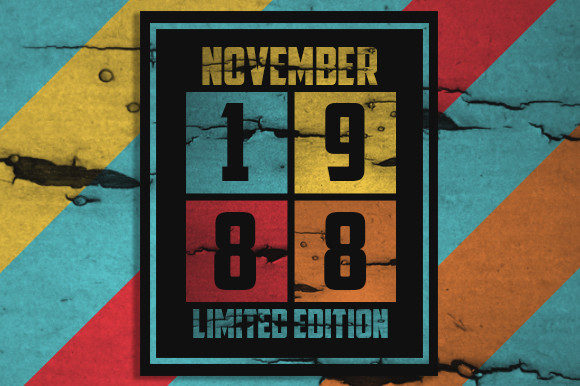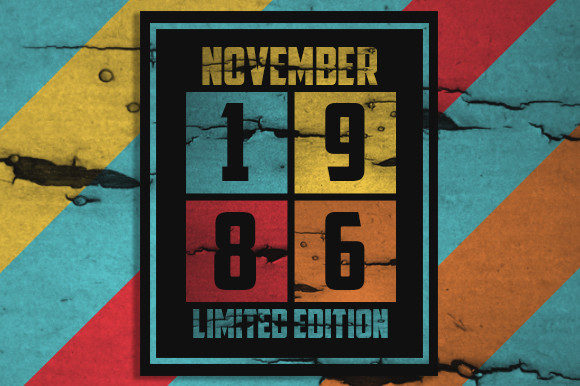
Retro November 1966 Limited Edition
As a designer and embroidery product reviewer, I’ve seen my fair share of digital files. But when I came across the Retro November 1966 Limited Edition, it immediately caught my attention. This is more than just a design—it’s a mood, a memory, and a potential centerpiece for a wide range of handmade and commercial projects. Let’s dive into what this design offers and how it might fit into your creative workflow.
The First Impression: A Nostalgic Visual Journey
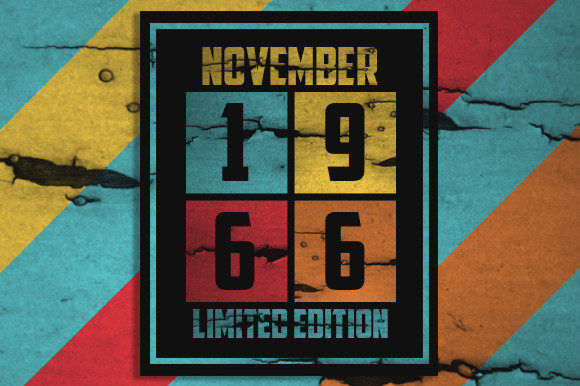
The Retro November 1966 Limited Edition opens with a bold, vintage-inspired aesthetic. The design feels like it was pulled from a mid-century magazine or a classic album cover. It has a warm, slightly weathered look that speaks to nostalgia without being overly sentimental. The layout is clean but layered, with a balance of negative space and intricate details that make it visually engaging.
The theme is unmistakably retro, with a focus on typography and geometric shapes. It evokes a sense of timelessness, making it ideal for projects that aim to blend old-world charm with modern craftsmanship. Whether you're creating custom apparel or personalized gifts, this design has the potential to stand out.
Real-World Use Cases: Where This Design Shines
When considering where to use the Retro November 1966 Limited Edition, the possibilities are vast. It works well on tote bags, sweatshirts, and baby clothes, where its visual weight can be balanced with simple backgrounds. For example, an embroidered tote bag featuring this design could become a standout piece in a craft fair booth or an Etsy shop.
It also pairs well with aprons, pillow covers, and kitchen towels—items that often benefit from a touch of personality. The design’s detail level makes it suitable for embroidered patches, which can then be applied to jackets, backpacks, or even pet accessories. Its versatility means it can serve as both a standalone piece and a component of a larger collection.
For holiday or wedding gifts, the Retro November 1966 Limited Edition adds a unique, handcrafted feel. It’s perfect for personalized items that require a bit of character, such as monogrammed blankets or decorative pillows.
Where to Be Cautious: Potential Limitations
While the Retro November 1966 Limited Edition is visually appealing, it’s not without its challenges. On small hoop sizes, the design may require careful planning to ensure all elements are captured properly. If you’re working with textured fabrics or thin materials, the stitch density could affect the final outcome.
On dark fabrics, the design’s contrast might need adjustment to ensure visibility. Similarly, stretchy or curved surfaces like caps can complicate the placement of detailed areas. Tiny lettering or intricate corners may not translate perfectly if the machine settings aren’t optimized.
If you're using this design for layered garments or products that will see frequent washing, consider the durability of the stitches. Proper stabilizer use and thread color matching are essential to maintain the design’s integrity over time.
Impact on Visual Appeal and Customer Perception
One of the strongest aspects of the Retro November 1966 Limited Edition is its ability to elevate the visual appeal of any project. Its retro vibe adds a layer of uniqueness that can differentiate your handmade products from mass-produced alternatives. Customers often respond positively to designs that tell a story or evoke a specific emotion.
In terms of stitching clarity, the design holds up well on most standard machines. However, depending on the fabric type and your machine’s capabilities, some adjustments may be necessary. For commercial embroidery projects, this design can help build trust with clients who value quality and attention to detail.
As a digital embroidery file, it offers flexibility for printable mockups and design assets. Whether you're preparing an Etsy listing or creating a sample for a client, the Retro November 1966 Limited Edition provides a professional look that can enhance your brand consistency.
Practical Designer Notes: What to Test Before Using
Before committing to a full project, always test the Retro November 1966 Limited Edition on scrap fabric. This helps identify any issues with stitch density, thread color contrast, or fabric compatibility. Check whether the design works well in black and white mockups to ensure it maintains its visual impact without color.
Compare the design on light and dark fabric backgrounds to determine the best presentation. Use the right stabilizer for your chosen material, especially if you're working with delicate or stretchy fabrics. Confirm that the design fits within your hoop size and adjust as needed.
Finally, review the licensing terms before selling finished items or digital products. Even though this is a digital download, proper usage rights are essential for commercial applications.
Final Thoughts: A Timeless Design for Creative Projects
The Retro November 1966 Limited Edition is more than just a digital file—it’s a tool that can inspire creativity and add value to a wide range of embroidery projects. Whether you're a small business owner, a craft seller, or a hobbyist, this design offers the potential to create something truly special.
Its nostalgic charm, combined with practical usability, makes it a strong contender for custom apparel, personalized gifts, and boutique merchandise. With the right approach, the Retro November 1966 Limited Edition can become a staple in your design library and a favorite among your customers.