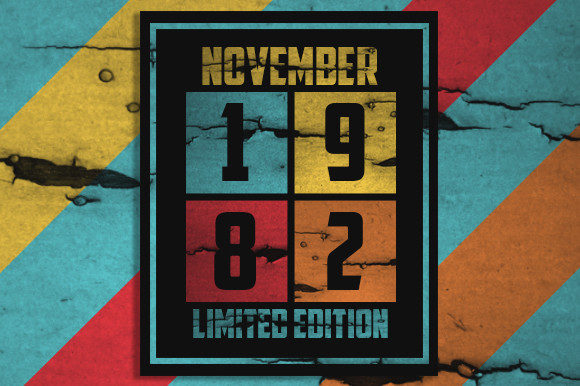
Retro November 1982 Limited Edition
The Retro November 1982 Limited Edition is a nostalgic design that brings a vintage vibe to modern embroidery projects. Its clean lines and retro aesthetic make it ideal for a variety of handmade and commercial applications. As a designer who’s worked with countless embroidery files, I wanted to take a closer look at how this design performs in real-world scenarios.
A First Impression of Nostalgia and Simplicity
When I first opened the PNG file, I was struck by its minimal yet impactful design. The layout feels intentional, with a strong central motif that doesn’t overwhelm the space. The color palette is subtle, making it versatile for different fabric types and thread color choices. It has a timeless quality that could work well on both casual and semi-formal items.
The design isn’t overly complex, which makes it accessible for both beginners and experienced embroiderers. It’s clear that the artist focused on creating a design that would translate well into machine embroidery without requiring excessive stitch counts or intricate details.
Real-World Use Cases for Retro November 1982 Limited Edition
I tested the design on a few different fabrics to see how it would look in practice. On a cotton tote bag, it came out clean and sharp, especially when using a satin stitch for the main elements. For a sweatshirt, the design held up well, though I noticed that the edges were slightly less defined on a lighter-colored fabric. This is something to keep in mind if you’re planning to use it on darker materials.
For baby items, like a onesie or a blanket, the design felt appropriate but not overly detailed. It’s simple enough to be safe for little ones, and the lack of tiny elements made it easier to stitch without worrying about thread breakage or skipped stitches.
On a patch, the design looked great, especially when combined with a contrasting thread color. It’s also a solid choice for an embroidered cap, though I recommend checking the hoop size before starting. The design isn’t too large, so it should fit comfortably in most standard hoops.
Where to Be Cautious With Retro November 1982 Limited Edition
While the design is generally user-friendly, there are a few situations where extra care is needed. If you’re working with a small hoop, you might find that the design feels cramped. This could lead to stitching issues, especially if the design includes any fine details or delicate lines.
Textured or stretchy fabrics can also be a challenge. The design may not sit as smoothly on a knitted sweater or a woven fabric with a lot of texture. In such cases, using the right stabilizer is key to ensuring the design stays in place during stitching.
Thin or dark fabrics may require additional attention. A dark background could make the design less visible, depending on the thread color chosen. Similarly, if the fabric is too thin, the stitches might show through, which could affect the overall appearance of the finished product.
Impact on Visual Appeal and Customer Perception
The Retro November 1982 Limited Edition has a strong visual presence that can elevate the value of any handmade product. Its retro feel adds a unique touch that can make a custom item stand out in a crowded market. For an Etsy seller or a small shop owner, this design could be a great addition to a seasonal collection or a limited-edition line.
From a customer perspective, the design feels authentic and well-crafted. It’s the kind of design that could spark conversation, whether it’s on a gift for a friend or a piece of boutique merchandise. The simplicity of the design also makes it easy to pair with other elements, allowing for creative flexibility in product development.
Practical Tips for Embroidery Designers
Before jumping into a full project, I always recommend testing the design on scrap fabric. This helps identify any potential issues with stitch density, thread color contrast, or fabric compatibility. The Retro November 1982 Limited Edition is relatively straightforward, but it’s still worth doing a quick test run.
Another important consideration is the stabilizer. Depending on the fabric type, you may need to use a tear-away or cut-away stabilizer to ensure the design holds up during and after stitching. This is especially true for items that will be washed frequently, like kitchen towels or baby clothes.
If you're planning to sell finished products or digital files, make sure to review the licensing terms. While the product description mentions a digital download, it doesn’t specify whether the design can be used commercially. Always double-check the terms before using it in a paid project.
Final Thoughts on Retro November 1982 Limited Edition
Retro November 1982 Limited Edition is a versatile design that can work well in a range of embroidery projects. Its clean lines and nostalgic feel make it suitable for both personal and commercial use. Whether you're creating a custom tote bag, a personalized gift, or a boutique product, this design offers a balance of style and practicality.
As with any embroidery file, success depends on how well you adapt it to your specific needs. By paying attention to fabric type, hoop size, and stitch density, you can ensure that the final product looks professional and meets your expectations. For designers and crafters looking for a reliable, retro-inspired design, this one is definitely worth considering.