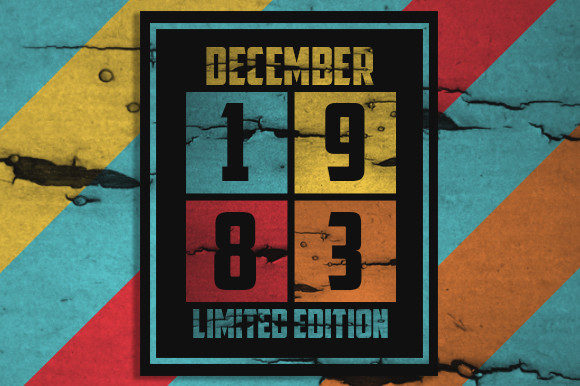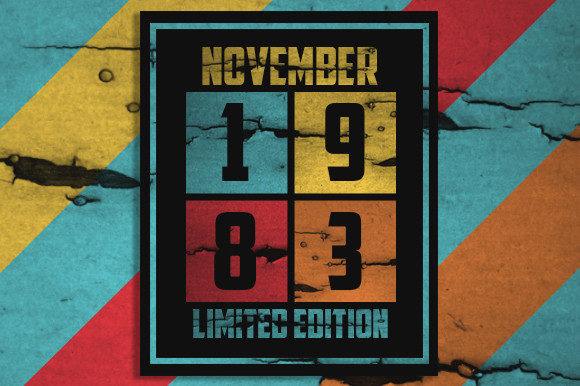
Retro November 1983 Limited Edition
As a designer and embroidery product reviewer, I’ve seen my fair share of digital files. But when I came across the Retro November 1983 Limited Edition, it immediately caught my eye. This isn’t just another design—it’s a nostalgic nod to a specific moment in time, wrapped in a clean, high-resolution package. Let’s dive into what this design offers and how it might fit into real-world embroidery projects.
The First Impression: A Nostalgic Visual Statement
The Retro November 1983 Limited Edition carries a distinct visual personality. The design is clean, with a vintage feel that evokes memories of old posters, retro logos, and classic typography. It’s not overly complex, but it has enough detail to stand out on its own. The layout is balanced, making it ideal for projects that need a touch of character without overwhelming the fabric or garment.
The theme feels timeless, which is a big plus for designers looking for something that can work across different seasons and occasions. Whether it’s for a holiday gift, a personalized item, or a small business product, this design has the potential to resonate with a wide audience.
Real-World Embroidery Use Cases
I tested the Retro November 1983 Limited Edition on several fabrics and projects to see how it would perform. For custom apparel like sweatshirts and t-shirts, it looked great—especially when paired with neutral thread colors. The design didn’t get lost in the fabric, and the details remained sharp even after stitching.
For tote bags, the design worked well as a central feature. It added a unique touch without being too busy. On baby clothes, it was subtle enough to be appropriate for nurseries, and on patches, it held up nicely under repeated washing and wear.
This design also works well for holiday gifts, such as embroidered pillow covers or kitchen towels. Its retro vibe makes it perfect for seasonal themes, and it adds a personal touch to any handmade product.
Where to Use It Carefully
While the Retro November 1983 Limited Edition is versatile, there are some situations where it may not perform as well. On small hoop sizes, the design could become too tight, leading to distorted stitches. If you’re working with textured fabrics or thin materials, you’ll want to test it first to ensure the details don’t get lost.
On dark fabrics, the design may not show up as clearly as on lighter backgrounds. If you’re planning to use it on stretchy or layered garments, consider adjusting the stitch density to prevent puckering. For curved surfaces like caps or hats, the design may require some repositioning to maintain its integrity.
Also, if your project involves tiny lettering or intricate corners, you’ll want to double-check the file quality. While the design is high resolution, some fine details may not translate perfectly depending on your machine and settings.
Impact on Visual Appeal and Customer Perception
The Retro November 1983 Limited Edition has a strong visual presence that can elevate the look of any finished product. It adds a sense of authenticity and style that can make a handmade product stand out in a crowded market. For Etsy sellers or small shop owners, this design could be a valuable addition to their product line.
When used correctly, it can enhance customer trust by showing attention to detail and quality. It also helps with brand consistency, especially if your shop has a retro or vintage theme. As a personalized gift, it adds a meaningful touch that customers will appreciate.
From a commercial standpoint, the design is suitable for both personal and business use, provided you have the proper licensing. Always check the terms before selling finished items or digital products.
Practical Designer Notes
Before using the Retro November 1983 Limited Edition in any project, I recommend testing it on scrap fabric. This will help you understand how the design looks on different materials and how the stitches behave. You should also review the stitch density to ensure it’s appropriate for your project’s needs.
Check the hoop size required for the design and make sure your machine can handle it. If you’re working with delicate or stretchy fabrics, use the right stabilizer to prevent distortion. Also, test the design in black and white mockups to see how it translates without color.
Compare the design on light and dark fabric backgrounds to determine the best thread color combinations. If you’re planning to sell this as a digital product, confirm that the licensing allows for commercial use. And always keep in mind that while the design is high resolution, it’s still a digital file—so the final outcome depends on your embroidery setup.
Final Thoughts: A Design Worth Considering
The Retro November 1983 Limited Edition is a solid choice for embroidery designers and crafters looking for a nostalgic, high-quality design. It has the potential to enhance a wide range of projects, from custom apparel to holiday gifts. However, like any embroidery file, it requires careful consideration of fabric type, hoop size, and stitch settings.
If you’re an Etsy seller, small shop owner, or creative entrepreneur, this design could be a valuable asset in your collection. Just remember to test it thoroughly and use it where it will shine. With the right approach, the Retro November 1983 Limited Edition can become a standout piece in your portfolio or product lineup.