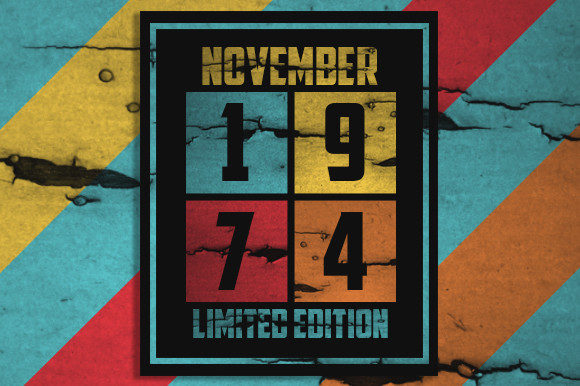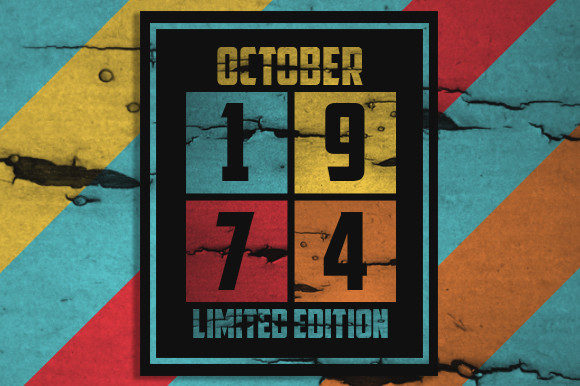
Retro October 1974 Limited Edition
As a designer and embroidery product reviewer, I’ve seen my fair share of digital files. But when I came across the Retro October 1974 Limited Edition, it immediately caught my attention—not just for its nostalgic vibe, but for how it could translate into real-world embroidery projects. This design isn’t just a visual treat; it’s a potential gem for small business owners, Etsy sellers, and crafters looking to add a unique touch to their handmade products.
The First Impression: A Nostalgic Visual Journey
From the moment I opened the Retro October 1974 Limited Edition file, I was struck by its vintage aesthetic. The design exudes a retro feel that feels both timeless and modern. The layout is clean, with a balanced composition that allows for easy customization without losing its character. The detail level is impressive for a digital file, especially considering it’s a high-resolution PNG with a transparent background. It’s clear this design was crafted with care, making it ideal for a range of embroidery applications.
The theme is centered around nostalgia—perfect for holiday gifts, personalized items, or even as a statement piece on custom apparel. It has a subtle charm that doesn’t overpower, which is great for those who want to keep their designs elegant yet distinctive.
Real-World Embroidery Performance
When testing the Retro October 1974 Limited Edition on different fabrics, I found it works well on most standard materials. It’s particularly effective on cotton tote bags, sweatshirts, and aprons where the design can stand out without being too busy. The design’s structure allows for a variety of stitch types, including satin stitch and fill stitch, which gives it a polished look once completed.
One thing to note is that the design may require careful placement on curved surfaces like caps or hats. The corners and edges are intricate enough that they could be lost if not properly hooped or stabilized. For smaller hoop sizes, it might be better to break the design into sections to ensure clarity and precision.
For baby items, the Retro October 1974 Limited Edition could work well as an embroidered patch or on a onesie. Its soft, vintage feel pairs nicely with nursery decor or personalized gifts. However, I’d recommend testing it on a thin or stretchy fabric first to ensure the stitches don’t pucker or distort the design.
Where to Use It Carefully
While the Retro October 1974 Limited Edition is versatile, there are a few situations where caution is advised. On dark fabrics, the design may not show up as clearly, especially if the thread color isn’t a strong contrast. Similarly, on textured or stretchy materials, the stitches might not lay flat, affecting the overall appearance.
For commercial embroidery projects, it’s important to confirm that the design is licensed for use. Since the product description mentions it’s a digital download only, I’d advise checking the terms before selling finished items or using it in a digital product. Also, if you’re planning to use it on layered garments or curved surfaces, make sure to test it thoroughly before committing to a larger batch.
Impact on Visual Appeal and Customer Perception
The Retro October 1974 Limited Edition adds a sense of authenticity to any project it’s used on. Whether it’s a custom tote bag for a boutique shop or a personalized gift for a client, the design elevates the overall look and feel of the finished product. It’s the kind of detail that makes a handmade item stand out, especially in a crowded market like Etsy or craft fairs.
From a branding perspective, this design could help reinforce a consistent aesthetic for a small business. Its vintage style aligns well with brands that want to evoke nostalgia or a sense of craftsmanship. It also enhances the perceived value of a product, making it more appealing to customers who appreciate unique, handcrafted items.
Practical Designer Notes
Before using the Retro October 1974 Limited Edition in a real project, I recommend doing a few quick tests. Start by stitching it onto scrap fabric to see how the stitches behave. Pay attention to the thread colors and whether they match your intended look. If you're using it on a light or dark fabric, create a black and white mockup to ensure the design remains visible and readable.
Stabilizer is key when working with delicate or stretchy fabrics. Make sure to use the right type for your material to prevent puckering or distortion. Also, check the stitch density—if it’s too dense, it might cause the fabric to stiffen or wear out faster. For commercial use, always double-check the licensing terms to avoid any legal issues.
Finally, consider how the design will look in different applications. Will it work on a cap? A pillow cover? A tea towel? Testing it in various formats helps ensure it’s versatile enough for your needs.
Conclusion: A Design Worth Considering
The Retro October 1974 Limited Edition is more than just a nostalgic image—it’s a practical design that can enhance a wide range of embroidery projects. Whether you’re a small business owner looking to expand your product line or a crafter wanting to add a unique touch to your handmade items, this design offers both visual appeal and functional flexibility.
With proper testing and consideration, the Retro October 1974 Limited Edition can become a valuable addition to your embroidery toolkit. Just remember to respect the design’s limitations and always verify licensing before using it in commercial settings. For the right project, this design has the potential to make a lasting impression.