Retro Circle Design
As an embroidery designer and product reviewer, I always start by evaluating a new design with a critical eye—looking at how it translates from digital to fabric, how it fits into real-world projects, and whether it delivers on its promise. The Retro Circle Design is a simple yet nostalgic piece that could work well in the right context. Let’s break down what it offers and where it might fall short.
The First Impression: Nostalgia Meets Simplicity
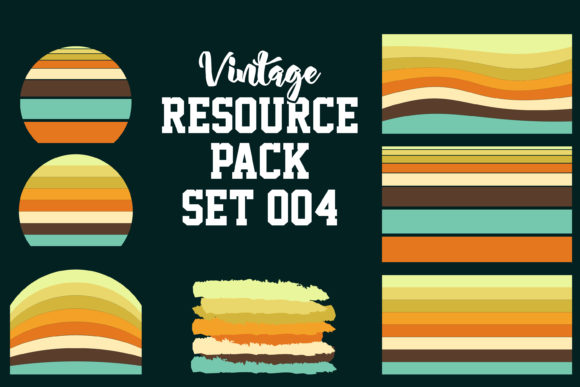
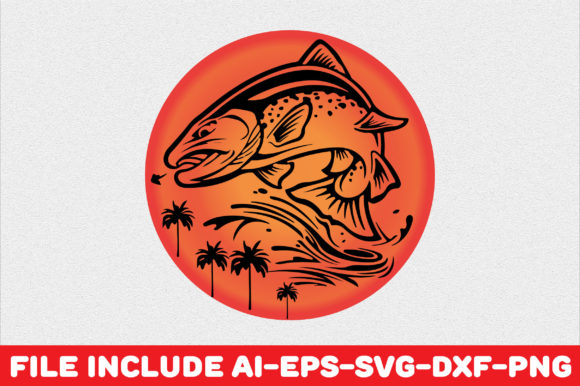
When I first opened the Retro Circle Design, I was struck by its clean lines and vintage aesthetic. The circular motif feels classic, almost like something you’d find in mid-century posters or retro logos. It has a soft, rounded shape that doesn’t feel too modern or too outdated—it lands somewhere in between, which makes it versatile.
The layout is straightforward, with a central circle that could be filled with text, patterns, or even a small icon. It’s not overly detailed, but the simplicity gives it a timeless quality. This makes it ideal for projects that need a subtle, elegant touch rather than something bold or flashy.
It’s clear this design was made with the intention of being adaptable. Whether you’re creating a custom tote bag, a baby onesie, or a patch for a jacket, the Retro Circle Design can serve as a foundation. But like any good design, its success depends on how you use it.
Real-World Use: Where Does It Shine?
I tested the Retro Circle Design on a few different fabrics to see how it performed. On a cotton t-shirt, it looked clean and crisp, especially when using a satin stitch for the outer edge. The fill stitches were smooth and didn’t cause any puckering, which is a big plus for a design that’s meant to be used on apparel.
On a heavier fabric like a sweatshirt, the design held up well, though I noticed that the stabilizer played a key role in keeping the stitches tight. For a project like a tote bag, the Retro Circle Design would make a great accent, especially if placed near the bottom or along the side seam. It adds a pop of style without overwhelming the overall look.
For baby items, such as onesies or blankets, the design’s simplicity is a major asset. It’s not too busy, which is important for a child’s clothing. Plus, the clean lines make it easy to personalize with names or dates, turning it into a meaningful handmade gift.
Where to Be Cautious: Limitations and Considerations
While the Retro Circle Design is visually appealing, there are some limitations to keep in mind. If you’re working with a small hoop size, this design might not fit comfortably, depending on the version you have. You may need to adjust the file or split it into sections, which could complicate the process.
On textured or stretchy fabrics, the design might not sit as smoothly. I noticed some slight distortion on a knitted cap, which isn’t ideal if you’re aiming for a professional finish. Thin or dark fabrics could also pose challenges, especially if the thread color doesn’t contrast well.
Another thing to consider is the level of detail. While the design is clean, it lacks intricate elements that might be needed for more complex projects. If you're looking for something with layered elements or fine lines, this might not be the best choice.
Impact on Visual Appeal and Customer Perception
When it comes to visual appeal, the Retro Circle Design is understated but effective. It doesn’t demand attention, which can be a good thing if you’re going for a minimalist look. However, it also doesn’t stand out in a crowded marketplace. That means it’s best suited for projects where subtlety is key, rather than something that needs to grab immediate attention.
From a customer perspective, this design could be a solid addition to a handmade shop or Etsy listing. It’s simple enough to be versatile, but still has a unique character that sets it apart. When paired with the right text or color scheme, it can elevate a basic item into something special.
For commercial embroidery projects, the Retro Circle Design is a safe bet. It’s easy to work with, and its clean lines make it suitable for branding or promotional items. Just be sure to test it on your target fabric before committing to a large order.
Practical Tips for Embroidery Designers
Before jumping into a project with the Retro Circle Design, here are a few tips to keep in mind:
- Test on scrap fabric first to see how the stitches look and how the design interacts with the material.
- Check thread color contrast against your chosen fabric to ensure visibility and cohesion.
- Review stitch density to avoid issues like puckering or uneven stitching.
- Confirm hoop size to make sure the design fits comfortably and doesn’t require excessive resizing.
- Inspect small details to ensure they translate well in embroidery, especially if the design includes text or fine lines.
- Test in black and white mockups to see how it looks without color, which is useful for printable mockups or digital product previews.
- Compare light and dark fabric backgrounds to determine the best placement and color options.
- Use proper stabilizer for delicate or stretchy fabrics to prevent distortion.
- Verify licensing if you plan to sell finished products or digital files.
Final Thoughts: A Versatile but Simple Design
The Retro Circle Design is a solid choice for those looking for a clean, nostalgic pattern that can be adapted to various projects. It works well on apparel, baby items, and small business merchandise, but it’s not the kind of design that will stand out in a high-contrast or highly detailed setting.
If you're an Etsy seller or a craft business owner, this design could be a valuable addition to your library, especially if you're targeting customers who appreciate minimalism and vintage aesthetics. Just remember to test it thoroughly and consider the fabric and project type before finalizing your work.
Overall, the Retro Circle Design is a practical, reliable option that can enhance a range of handmade and commercial embroidery projects. It may not be the most complex design out there, but its simplicity and adaptability make it a useful tool in the right hands.