Retro September 1974 Limited Edition
As a designer and embroidery product reviewer, I’ve seen my fair share of digital files. But when I came across the Retro September 1974 Limited Edition, it immediately caught my attention. This is more than just a design—it’s a mood, a memory, and a potential centerpiece for a range of handmade and commercial projects. Let’s break down what this file offers and how it might fit into your creative workflow.
The First Impression: A Nostalgic Visual Statement
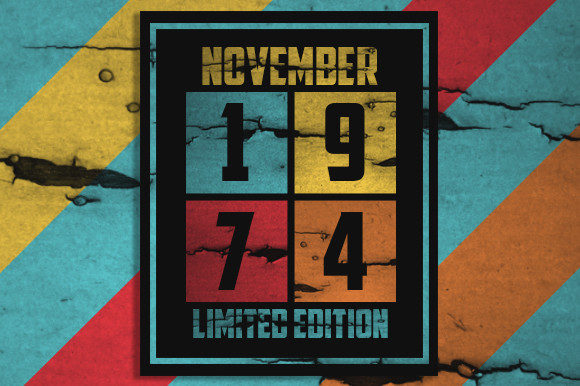
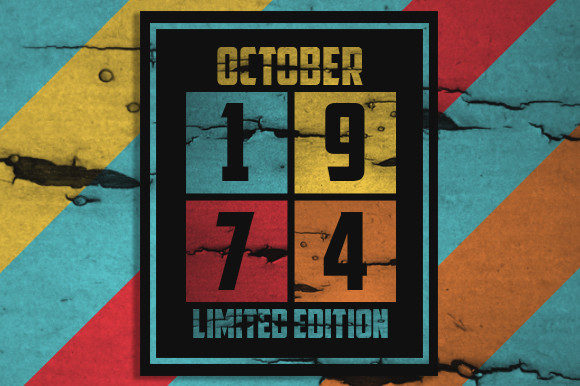
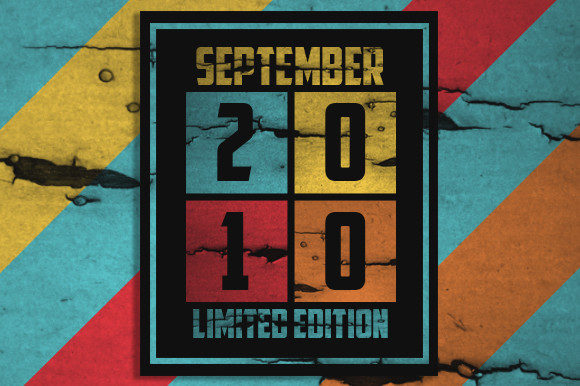
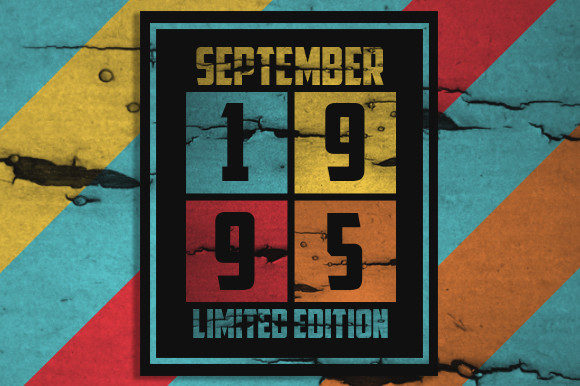
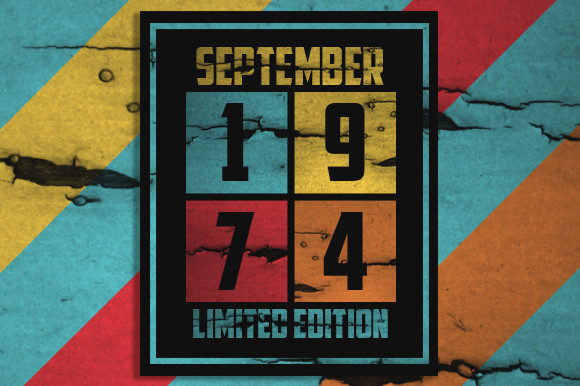
The Retro September 1974 Limited Edition has a distinct visual personality. It feels like a snapshot from a bygone era—think vintage typography, muted color palettes, and a layout that leans into simplicity with a touch of sophistication. The design is clean, but not overly minimal. It has enough detail to stand out without overwhelming the eye. The high-resolution PNG file ensures that every line, curve, and shadow is crisp and ready for embroidery.
This design would naturally lend itself to projects that evoke a sense of nostalgia or timelessness. Whether it's a custom tote bag, a baby onesie, or a patch for a jacket, the Retro September 1974 Limited Edition feels right at home in those contexts.
Real-World Embroidery Use Cases
When I think about where this design could shine, I imagine it on a variety of items. For example, a custom sweatshirt with this design could be a hit at a local craft fair or an Etsy listing. The retro aesthetic pairs well with casual wear, making it ideal for small business owners looking to offer unique, personalized products.
It also works well as an embroidered patch. Whether it’s for a denim jacket, a backpack, or a cap, the design has enough structure to hold up in a small hoop. However, I’d recommend testing it on scrap fabric first to ensure the stitch density is appropriate for the intended application.
For baby items, the design’s clean lines and subtle details make it a safe choice. It’s not too busy, which is important for something that will be on a child’s clothing for a long time. Plus, the transparent background makes it easy to place the design on different fabric colors without worrying about unwanted backgrounds.
Where to Be Careful: Practical Considerations
While the Retro September 1974 Limited Edition is visually appealing, there are some scenarios where it might not perform as well. If you’re working with small hoop sizes, you may find that the design’s details get lost or distorted. Similarly, textured fabrics or thin materials can affect how the stitches come out. You’ll want to use a proper stabilizer to prevent puckering or distortion.
On dark fabrics, the design may appear less vibrant. That’s why I always recommend testing it on both light and dark backgrounds before committing to a project. Also, if you’re planning to use it on stretchy or curved surfaces like caps, you’ll need to adjust your hoop setup and possibly use a different type of stabilizer to keep the design from stretching out of shape.
Another thing to consider is the stitch density. If the design is too dense, it might cause the fabric to pucker or become stiff. I suggest reviewing the file’s specifications and adjusting the settings accordingly. And if you're using this for commercial projects, make sure you understand the licensing terms before selling any finished products.
Impact on Visual Appeal and Customer Perception
Designs that have a strong visual identity can make a big difference in how customers perceive your work. The Retro September 1974 Limited Edition adds a level of professionalism and uniqueness to any project. It’s the kind of design that can elevate a simple tote bag into a statement piece, or turn a basic sweatshirt into a standout item in your shop.
From a customer perspective, this design feels handcrafted and thoughtful. It’s the kind of detail that makes a personalized gift feel more special. Whether it’s a holiday ornament, a birthday present, or a custom apparel item, the Retro September 1974 Limited Edition has the potential to create a lasting impression.
Embroidery Designer Notes: What to Check Before Using
Before jumping into a project with the Retro September 1974 Limited Edition, here are a few practical tips:
- Test on scrap fabric: Always test the design on a similar material to see how it looks and behaves during stitching.
- Check thread color contrast: Make sure the thread colors you choose complement the design and the fabric you’re using.
- Review stitch density: Adjust the settings if the design appears too heavy or too light for your project.
- Confirm hoop size: Ensure the design fits comfortably within your hoop to avoid any issues during the embroidery process.
- Inspect small details: Pay attention to corners, curves, and tiny elements to make sure they’re clear and well-defined.
- Use proper stabilizer: This is especially important for delicate or stretchy fabrics to maintain the integrity of the design.
- Check licensing: If you plan to sell finished products or digital files, confirm the usage rights to avoid any legal issues.
Final Thoughts: A Design Worth Considering
The Retro September 1974 Limited Edition is a versatile and visually compelling design that can fit into a wide range of embroidery projects. Whether you're an Etsy seller, a small shop owner, or a hobbyist, this file offers a blend of style and functionality that can enhance your creative output.
Of course, like any machine embroidery design, it’s not perfect for every situation. But with careful consideration and testing, it can become a valuable addition to your design assets. If you’re looking for something that feels authentic, nostalgic, and ready to bring to life, the Retro September 1974 Limited Edition is definitely worth exploring.