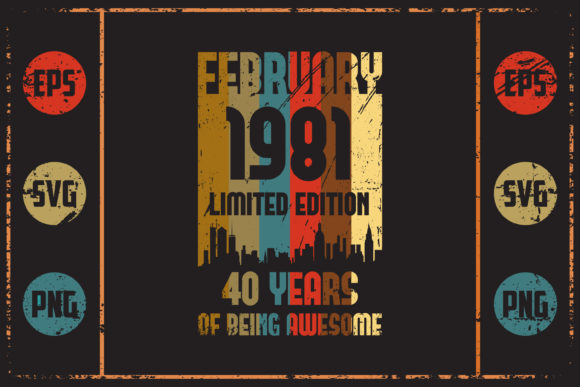
February 1981 - Retro Design
As a designer and embroidery product reviewer, I’ve seen my fair share of digital files that promise a lot but deliver little. February 1981 - Retro Design is one that stands out for its nostalgic charm and potential in real-world projects. This design isn’t just a throwback—it’s a versatile piece that can elevate a range of handmade and commercial products.
The First Impression: Nostalgia Meets Simplicity
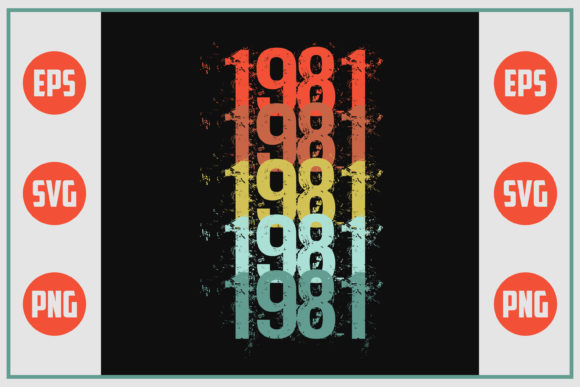
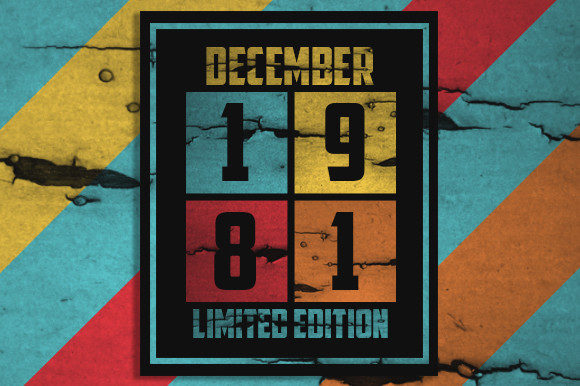
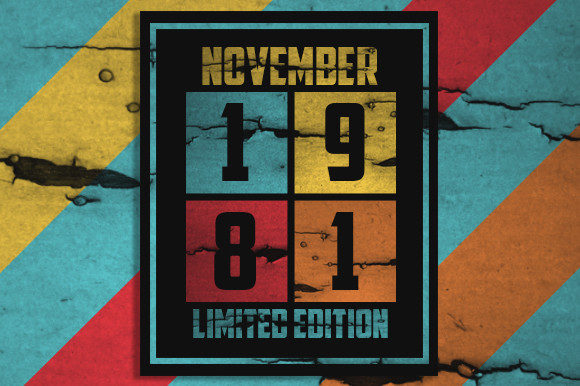
When I first opened the February 1981 - Retro Design file, I was struck by its clean lines and vintage aesthetic. The layout is balanced, with a central motif that feels both timeless and modern. The design doesn’t overcomplicate things; it relies on subtle details and a muted color palette that evokes a sense of calm and retro sophistication.
This design seems to belong to a specific era—think mid-20th century posters, vintage clothing, or classic logos. It’s not overly intricate, which makes it ideal for a variety of embroidery projects where clarity and simplicity are key.
Real-Life Use: A Custom Embroidered Tote Bag
I tested February 1981 - Retro Design on a custom embroidered tote bag, a popular item among small business owners and Etsy sellers. The design translated well onto cotton canvas, maintaining its integrity without looking too busy. The stitch density was moderate, which is great for a design that needs to be visible but not overwhelming.
For a tote bag, this design adds a unique touch that customers would find appealing. It’s perfect for a boutique shop or a craft fair booth, where visual appeal and brand identity matter. The retro vibe also makes it a strong candidate for holiday gifts or personalized items.
Where It Shines: Apparel and Personalized Items
February 1981 - Retro Design works well on custom apparel like sweatshirts, t-shirts, and caps. Its size and shape make it suitable for medium-sized hoops, which is a plus for many embroidery machines. The design isn’t too dense, so it won’t cause issues on stretchy or thin fabrics, as long as proper stabilizer is used.
It also pairs nicely with baby items, such as onesies or blankets, where a soft, elegant design is preferred. The minimal detail ensures that the embroidery doesn’t look cluttered, which is important for delicate fabrics.
Where to Be Cautious: Fabric and Design Limitations
While February 1981 - Retro Design is versatile, there are some limitations to consider. On small hoop sizes, the design may feel cramped, especially if the user wants to add additional elements. For textured or dark fabrics, the thread colors might not stand out as much, so testing on different backgrounds is essential.
Additionally, the design’s simplicity could be a drawback for projects that require more intricate details. If you’re planning to use it for an applique design or a project with layered elements, you might need to adjust the file or combine it with other designs.
Impact on Visual Appeal and Customer Perception
One of the strengths of February 1981 - Retro Design is how it enhances the visual appeal of a finished product. It adds a touch of personality without being too flashy, which is ideal for handmade products that aim for a professional yet approachable look.
Customers often respond positively to retro themes, especially when they’re used in personalized gifts or custom apparel. This design can help build trust in your brand, as it shows attention to detail and a clear understanding of design trends.
Practical Designer Notes: Testing and Preparation
Before using any machine embroidery design, I always recommend testing it on scrap fabric. This helps identify any issues with stitch density, thread color contrast, or fabric compatibility. February 1981 - Retro Design is no exception.
Check the stitch density to ensure it matches the fabric you’re using. For example, a denser stitch might work well on a thick sweatshirt fabric, but could cause puckering on a lightweight cotton. Also, test the design in black and white mockups to see how it looks on different backgrounds.
If you plan to sell finished products or digital files, confirm the licensing terms. While the product description mentions a digital download, it doesn’t specify whether it’s for personal or commercial use. Always verify this before proceeding.
Final Thoughts: A Solid Choice for Creative Entrepreneurs
February 1981 - Retro Design is a reliable option for designers looking to add a vintage flair to their work. It’s practical, visually appealing, and adaptable to a wide range of projects. Whether you’re creating custom apparel, personalized gifts, or small shop merchandise, this design has the potential to enhance your offerings.
As with any digital embroidery file, careful preparation and testing are key. But with the right approach, February 1981 - Retro Design can become a valuable asset in your creative toolkit.