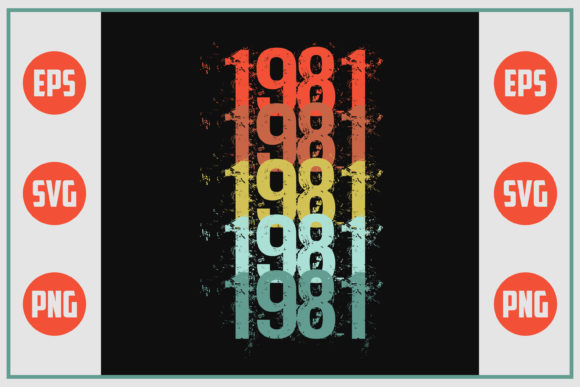
Retro Design - 1981
As a designer and embroidery product reviewer, I’ve seen my fair share of digital files that promise a lot but deliver little. Retro Design - 1981 is one that caught my eye not just for its nostalgic aesthetic, but for how it could translate into real-world projects. Let’s break down what this design offers, where it shines, and where it might need a little extra care.
The First Impression: Nostalgia with Purpose
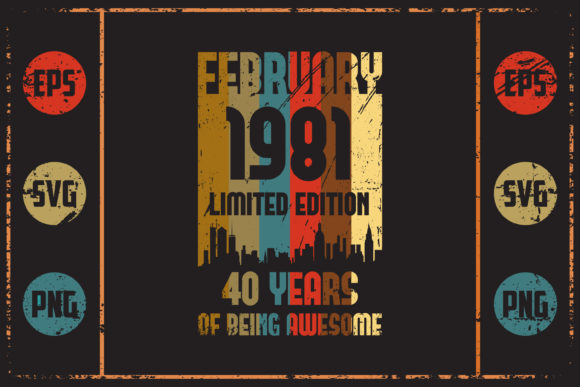
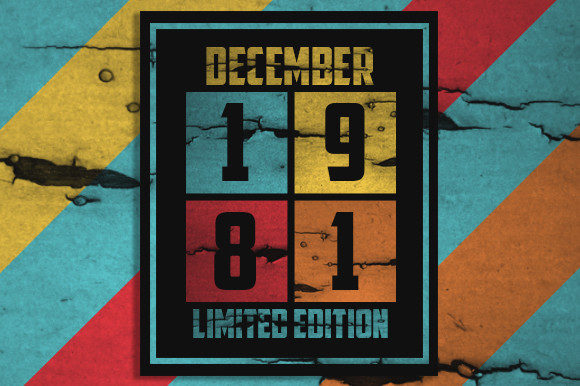
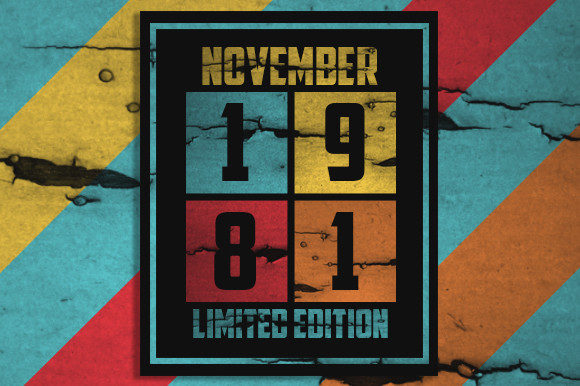
Retro Design - 1981 immediately evokes a sense of vintage charm. The layout feels intentional—clean lines, a balanced composition, and a visual personality that leans into the boldness of the early 80s. It’s not overly complicated, but it has enough detail to stand out without overwhelming the fabric it’s stitched onto. The theme is versatile enough to work on a range of items, from custom apparel to small shop merchandise.
This design seems to belong in a handmade product or personalized gift. It’s the kind of piece that could easily be adapted for a tote bag, a sweatshirt, or even a baby onesie. Its simplicity makes it easy to work with, but it also has enough character to make a statement.
Real-World Embroidery Use Cases
When I think about where Retro Design - 1981 would fit best, I imagine it on a custom embroidered tote bag for a boutique shop, or as part of a holiday gift set. It could also work well as an embroidered patch for a jacket or a cap. The design’s structure suggests it would hold up well on flat surfaces like pillow covers or tea towels, but there are some considerations when using it on more complex items.
For example, if you’re planning to use it on a sweatshirt or t-shirt, the stitch density and stabilizer choice will matter. If the design is too dense, it could cause puckering or distortion on stretchy fabrics. On the other hand, if the stitch count is light, it might not hold up well on textured materials like denim or canvas.
One thing to note is that this design isn’t ideal for very small hoop sizes. If you’re working on a tight space, you may find that certain details get lost or distorted. It’s also worth considering how it will look on different fabric types. Dark fabrics may require a contrasting thread color to ensure visibility, while lighter fabrics might need a bit more saturation in the stitches.
Where to Be Cautious
Retro Design - 1981 is a great machine embroidery design, but it’s not perfect for every situation. If you’re working with thin or stretchy fabrics, you’ll want to test it first. The design’s layout may not be suitable for curved surfaces like caps or hats, where the corners could become distorted during stitching.
Also, if you plan to use this as an applique design or incorporate it into layered garments, you’ll need to ensure the underlying layers don’t interfere with the final appearance. Tiny lettering or intricate details may not show up clearly, especially if the design is scaled down.
Another consideration is how the design performs in black and white mockups. If you’re creating printable mockups for your Etsy listings or digital product previews, you’ll want to check how it looks without color. This can affect the perceived quality of the finished product and how customers view your brand.
Visual Appeal and Customer Perception
When it comes to visual appeal, Retro Design - 1981 has a strong presence. It’s the kind of design that could elevate a handmade product or add a unique touch to a commercial embroidery project. Customers often respond positively to retro themes, especially when they’re used in personalized gifts or holiday decorations.
Stitching clarity is another factor. If the design is well-structured, it should translate smoothly onto fabric. However, if the file has issues with alignment or stitch direction, it could lead to uneven results. This is why testing on scrap fabric before committing to a full project is always a good idea.
From a business perspective, this design could add value to your product offerings. Whether you’re selling on Etsy, at a craft fair, or running a small shop, having a reliable and visually appealing design can help build customer trust and increase engagement. It’s also a great way to maintain brand consistency across different items.
Practical Designer Notes
Before jumping into using Retro Design - 1981, here are a few practical tips:
- Test on scrap fabric to see how the design looks in real life and how it interacts with your chosen thread colors.
- Check stitch density to ensure it’s appropriate for the fabric you’re using.
- Confirm hoop size to avoid any issues with the design being too large for your machine.
- Inspect small details to make sure everything is clear and well-defined.
- Use proper stabilizer to prevent puckering, especially on delicate or stretchy fabrics.
- Compare light and dark backgrounds to ensure the design is visible in all conditions.
- Verify licensing if you plan to sell finished products or digital files.
These steps can save you time and prevent costly mistakes, especially if you’re using this design for commercial purposes.
Final Thoughts
Retro Design - 1981 is a solid choice for designers looking for a vintage-inspired embroidery file that can be used in a variety of projects. Its clean layout and nostalgic feel make it a great addition to custom apparel, personalized gifts, and small business merchandise. However, like any design, it requires careful consideration of fabric type, hoop size, and stitch density to ensure the best results.
If you’re an Etsy seller, a craft business owner, or a creative entrepreneur, this design could be a valuable asset in your collection of design assets. Just remember to test it thoroughly and make adjustments as needed to meet your specific needs.