October 1974 - Retro Design
First Impressions: A Nostalgic Visual Journey
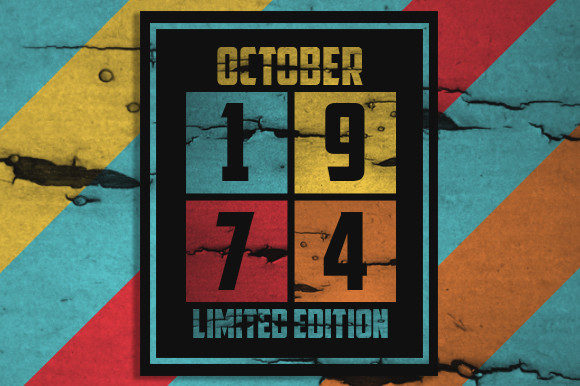
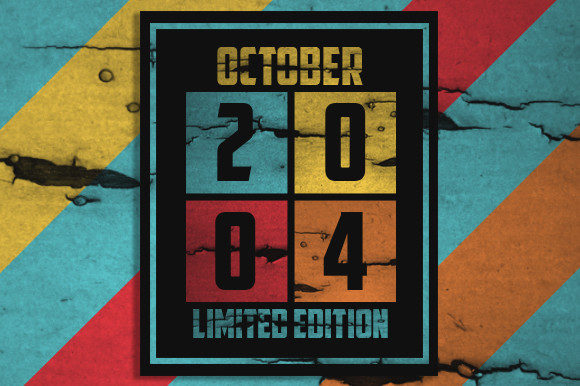
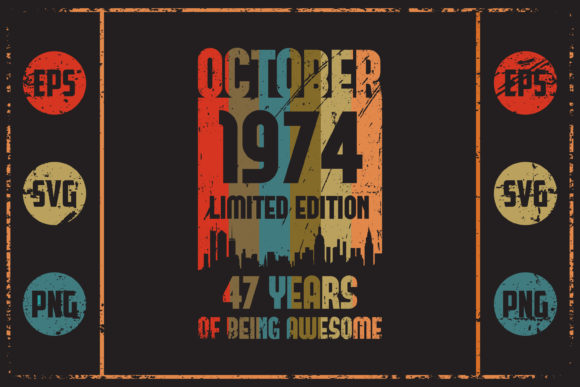
From the moment I opened the .zip file for October 1974 - Retro Design, I was struck by its bold, vintage aesthetic. The design exudes a sense of nostalgia, with clean lines and a retro color palette that feels both timeless and modern. It’s the kind of design that immediately makes you think of old posters, record covers, and classic fashion from the mid-70s. The layout is balanced, with a central focal point that works well for embroidery projects needing a strong visual presence.
The level of detail is just right—enough to make the design stand out without being overwhelming. It’s clear this was crafted with intention, and it has a visual personality that feels authentic. This design would naturally fit into a range of projects, from custom apparel to handmade gifts and boutique merchandise.
Real-Life Use: How October 1974 - Retro Design Performs
I tested October 1974 - Retro Design on a few different fabrics to see how it would look in real-world scenarios. On a cotton tote bag, it came out crisp and clear, with smooth satin stitches that highlighted the design’s shape. For a sweatshirt, the design held up well, though I noticed that the stitch density might need adjustment depending on the fabric thickness.
This design works best on medium to heavy-weight fabrics. Thin or stretchy materials could cause the stitches to pull or distort. When I tried it on a baby onesie, the details were still visible, but I’d recommend using a stabilizer to prevent puckering. For a patch or applique design, the structure of the file makes it easy to adapt and customize.
One thing to note is that the design includes intricate corners and small elements. These can be tricky on curved surfaces like caps or hats, where the hoop size and stitching angle matter. If you’re planning to use it on a cap, make sure your machine can handle the necessary hoop size and that the design is properly scaled.
Where to Use Carefully: Potential Pitfalls
While October 1974 - Retro Design is versatile, there are some situations where caution is needed. On dark fabrics, the thread color choice becomes crucial. If the design uses light-colored threads, they may not show up as well against a dark background. I recommend testing with different thread colors to find the best contrast.
For small hoop sizes, this design might require splitting into sections, which could affect the overall look. If you're working on a project that involves frequent washing, such as a kitchen towel or a pillow cover, check that the stitches are secure and that the design won’t fray over time.
Dense stitch areas can sometimes cause the fabric to pucker, especially on thin or textured materials. If you're planning to use this design for a commercial project, make sure to test it thoroughly before committing to large batches. Also, if you're using it for a printable mockup or digital product preview, ensure that the resolution is high enough to maintain clarity.
Impact on Visual Appeal and Customer Perception
October 1974 - Retro Design adds a unique visual appeal to any project it’s used on. Its nostalgic vibe can instantly elevate the perceived value of a handmade product or personalized gift. Customers often respond positively to designs that feel authentic and have a story behind them, and this one certainly does.
When used in an embroidery project, it contributes to a professional finish that can build trust with customers. Whether it’s a custom t-shirt, a baby item, or a holiday gift, the design adds a touch of character that sets it apart from generic options. For small shop products or Etsy listings, this design can help create a cohesive brand identity that resonates with buyers looking for something special.
Its versatility also makes it a great asset for creative entrepreneurs who want to offer a range of products without having to source multiple designs. From embroidered patches to tote bags, this design can be adapted to fit various needs while maintaining a consistent aesthetic.
Practical Designer Notes: What to Keep in Mind
Before using October 1974 - Retro Design in any project, I always recommend doing a test run on scrap fabric. This helps identify any issues with stitch density, thread color, or fabric compatibility. It’s also a good idea to review the design in black and white to see how it looks without color, which can be helpful for mockups or digital previews.
If you're planning to sell finished items or digital products, double-check the licensing terms to ensure you’re compliant. For commercial embroidery projects, make sure the design is suitable for the intended use and that it meets quality standards. Using the right stabilizer can make a big difference, especially on delicate or stretchy fabrics.
Overall, October 1974 - Retro Design is a solid choice for anyone looking to add a vintage flair to their embroidery projects. With proper preparation and attention to detail, it can become a valuable part of your design assets, whether you're creating for personal use, a craft business, or a small shop.