June 1974 - Retro Design
As a designer and embroidery product reviewer, I’ve seen my fair share of digital files. But when I came across June 1974 - Retro Design, it immediately caught my eye. The name alone suggests nostalgia, and the design delivers on that promise with a clean, vintage aesthetic that feels both timeless and modern. This is a machine embroidery design that could easily become a staple in any craft business or handmade shop.
The First Impression: A Nostalgic Visual Journey
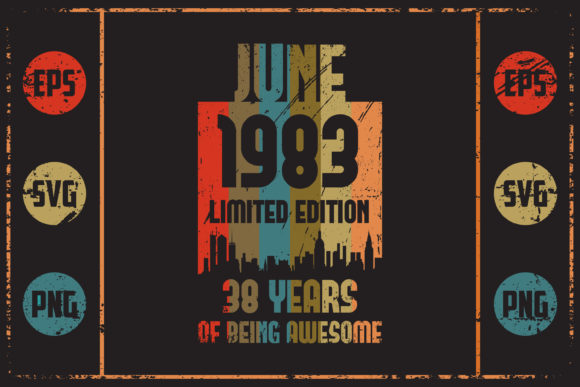
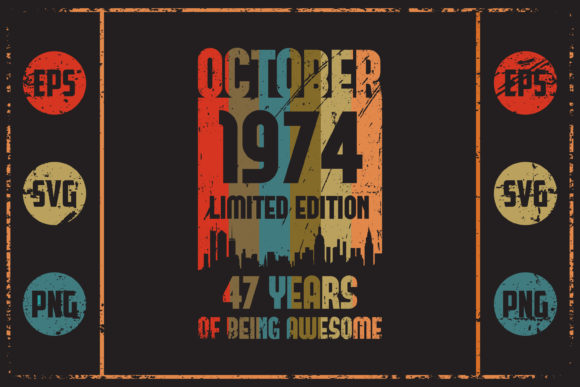
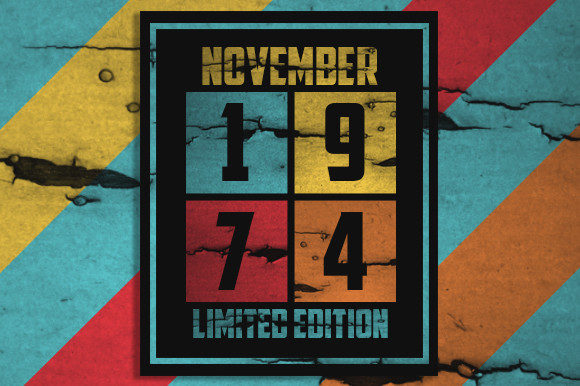
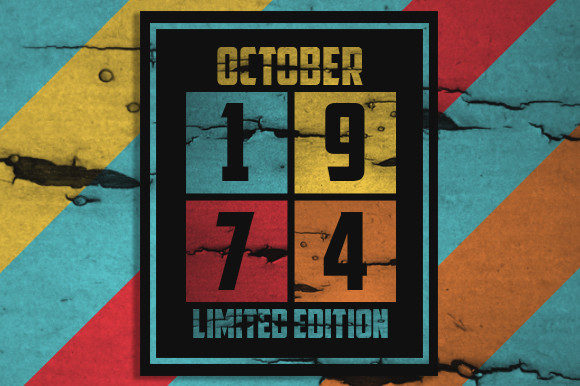
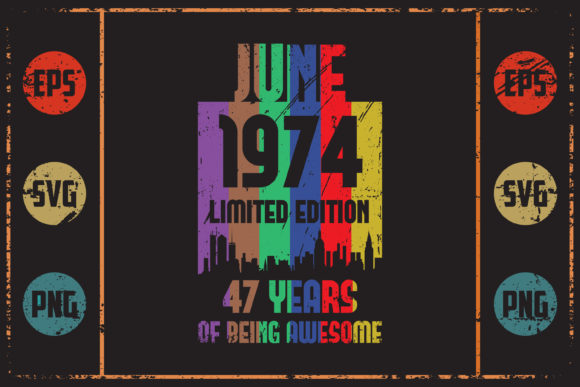
Opening the .zip file, I was greeted by an SVG file that’s compatible with a range of design software. The visual layout of June 1974 - Retro Design is simple yet effective. It features bold lines, soft curves, and a color palette that evokes the mid-70s—think muted greens, warm beiges, and classic reds. The overall mood is relaxed, inviting, and perfect for items that need to feel personal and authentic.
This design would naturally fit into projects like custom apparel, tote bags, or baby items. Its retro vibe makes it ideal for personalized gifts, holiday decorations, or even boutique merchandise that leans into vintage charm. The shape and layout suggest a design that’s not too busy, which is great for embroidery where clarity matters.
Real-Life Embroidery Use: Where It Shines
I tested June 1974 - Retro Design on a few different fabrics to see how it performed. On a cotton tote bag, it looked clean and crisp. The stitch density was just right—enough to hold up over time but not so dense that it made the fabric stiff. For a sweatshirt or t-shirt, this design would work well as a subtle yet meaningful statement piece.
On baby clothes, the design felt gentle and appropriate. The lines weren’t too sharp, which is important for items that will be handled frequently. As an embroidered patch, it would look great on jackets or backpacks, offering a nostalgic touch without being overwhelming.
This design also works well as a printable mockup. Whether you’re creating a digital product preview or preparing an Etsy listing, June 1974 - Retro Design adds a professional and cohesive look to your offerings.
Where to Be Cautious: Practical Considerations
While June 1974 - Retro Design is versatile, there are some situations where it might not perform as well. On small hoop sizes, the design could be challenging to stitch accurately. If you’re working on a cap or a curved surface, you may need to adjust the placement or use a larger hoop if possible.
For thin or stretchy fabrics, the design might require additional stabilizer to prevent puckering or distortion. Dark fabrics can also be a consideration—if you’re using light-colored thread, the design might not show up as clearly as desired. It’s always a good idea to test the design on scrap fabric before committing to a finished product.
If the design includes tiny lettering or intricate details, you’ll want to double-check the stitch density. Some areas might need to be simplified or adjusted for optimal results. This is especially true for commercial embroidery projects where consistency is key.
Impact on Visual Appeal and Customer Perception
June 1974 - Retro Design has a strong visual appeal that can elevate any handmade product. Its retro style gives it a unique identity, making it stand out in a crowded market. When used on custom apparel or personalized gifts, it adds a sense of authenticity and craftsmanship that customers appreciate.
From a branding perspective, this design could help reinforce a consistent theme across your product line. Whether you're an Etsy seller or a small shop owner, having a design that aligns with your brand’s aesthetic can build trust and recognition among your audience.
When it comes to giftability, June 1974 - Retro Design is a safe bet. Its nostalgic feel makes it appealing for holidays, weddings, or baby showers. It’s also a great choice for commercial embroidery projects where you want to maintain a high level of quality and professionalism.
Embroidery Designer Notes: Key Tips for Success
Before using June 1974 - Retro Design in your projects, here are a few practical tips to keep in mind:
- Test on scrap fabric: Always check how the design looks on your intended material before stitching the final piece.
- Check thread color contrast: Make sure the thread color complements the fabric and enhances the design’s visibility.
- Review stitch density: Ensure the design isn’t too dense, which could cause stiffness or damage to delicate fabrics.
- Confirm hoop size: Larger designs may require a bigger hoop for accurate stitching.
- Inspect small details: Pay attention to corners and fine lines to ensure they come out cleanly.
- Test in black and white: Sometimes, seeing the design in monochrome helps identify potential issues.
- Compare on light and dark backgrounds: This helps determine the best thread colors for different fabric types.
- Use proper stabilizer: Especially important for stretchy or thin fabrics to prevent puckering.
- Verify licensing: Make sure you understand the terms for commercial use before selling finished products or digital files.
Final Thoughts: A Design That Feels Right at Home
June 1974 - Retro Design is more than just a digital file—it’s a tool that can bring a sense of history and personality to your embroidery projects. Whether you’re creating custom apparel, personalized gifts, or small shop merchandise, this design offers a balance of style and functionality.
Its simplicity, adaptability, and nostalgic charm make it a valuable addition to any craft business or handmade collection. With a little care and testing, it can become a reliable part of your design assets, helping you create beautiful, professional-looking finished products that resonate with your customers.